Apulia ~ Nero di Troia
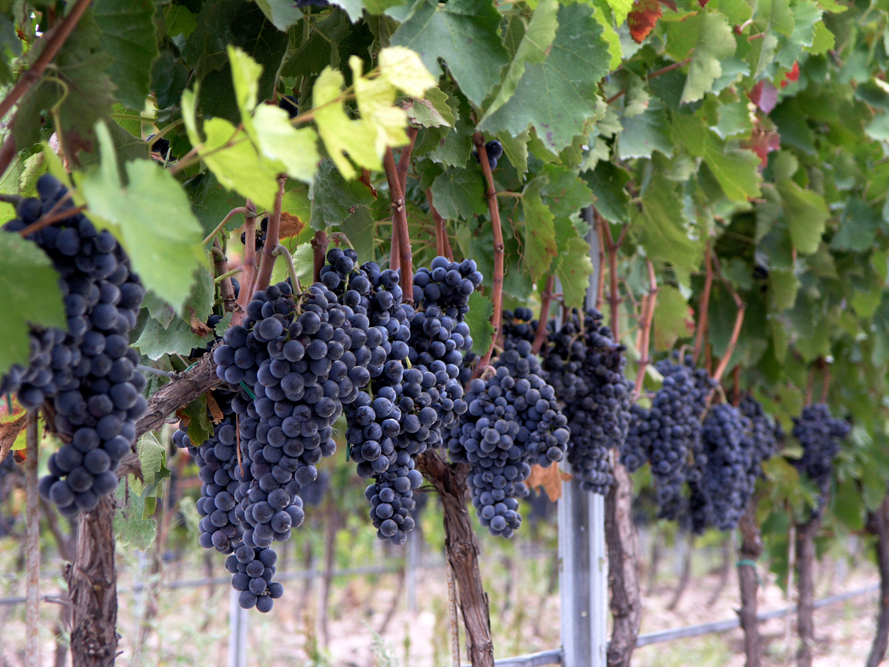
The grape of Troia, also known by one of its synonyms, Nero di Troia, is the third great autochthonous and historic vine of the Puglia region. The Uva di Troia vine suggests its origin in Asia Minor, where the city of Troy once stood. Troia in Italy is instead a small town in the province of Foggia, most likely founded by Greek colonists from Asia Minor. Other hypotheses recall an Albanian origin of the vine, from the city of Cruja.
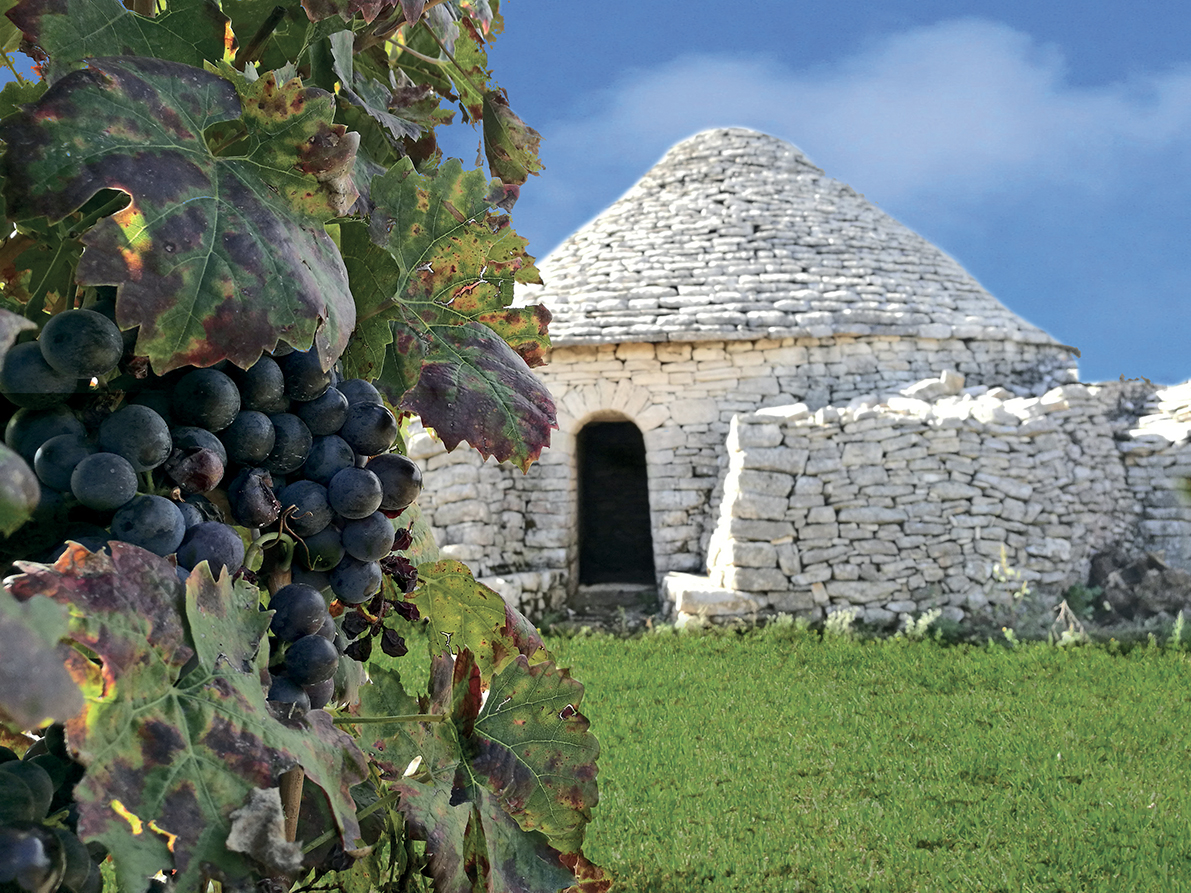
The Uva di Troia is a vine abundantly cultivated along the Apulian coastal area, in the area of Barletta and in the province of Bari. On the palate it is warm, fruity, spicy, full-bodied: it has a beautiful intense ruby red color with violet reflections in youth which tend to disappear with ageing. It is a full-bodied wine, therefore of high consistency and roundness.
Products
Nero di Troia is a structured wine, which is full-bodied on the palate and with a generally very well-marked tannic texture, accompanied by light bitter notes. Its good predisposition to aging means that the reserve versions show greater elegance and this angularity of the tannins gives way to a more refined and elegant harmony.